

Dangote in Kenya: The Rise of an African National Bourgeoisie Against Neocolonial Dependency
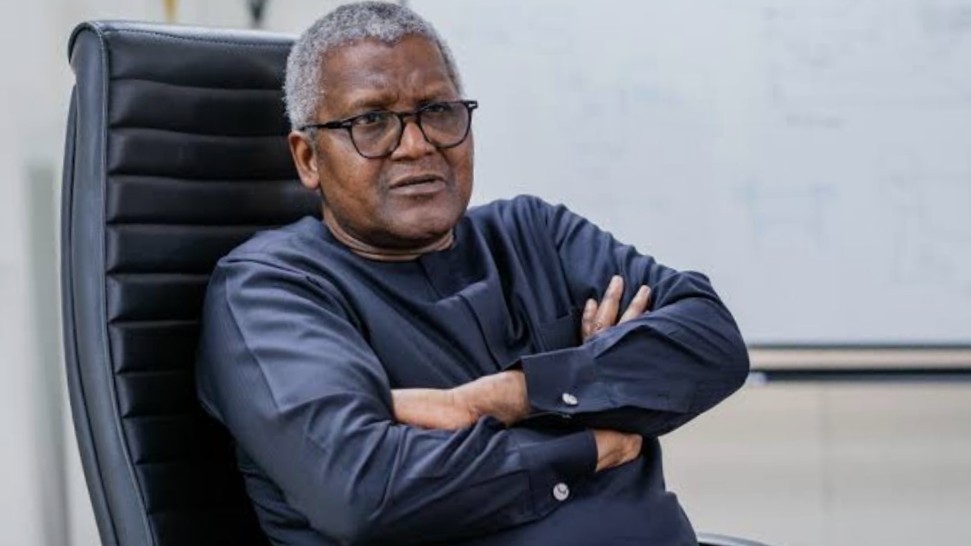
The announcement by Nigerian billionaire Aliko Dangote regarding his intention to build a new giant refinery in East Africa represents far more than a simple industrial investment. Behind this project — estimated at between
According to recent reports, Dangote is considering the construction of a 650,000-barrel-per-day refinery in Mombasa, Kenya. If completed, the project could profoundly transform the energy supply of the entire East African region, which still remains heavily dependent on imports of refined petroleum products from the Middle East and Western multinational corporations.
In many African countries, economies continue to be structured around the export of raw materials and the import of high-value manufactured goods. This colonial-era economic logic keeps African states trapped in chronic dependency on foreign markets, international financial institutions, and the fluctuations of global capital.
It is precisely within this contradiction that the figure of Dangote emerges. Certainly, he remains a major African capitalist. Like any industrial bourgeoisie, his empire is built upon the exploitation of the labor of hundreds of thousands of African workers. Yet unlike the parasitic state bourgeoisie, which survives through corruption, embezzlement, and the unproductive consumption of public resources, or the comprador bourgeoisie that merely imports and distributes foreign products, Dangote builds infrastructure, develops industrial capacity, and contributes to the productive transformation of the continent.
Throughout the history of colonized and semi-colonized peoples, several Marxist and anti-imperialist thinkers have emphasized the contradictory yet sometimes progressive role that a national bourgeoisie can play when it comes into conflict with foreign capital interests. While not revolutionary in the proletarian sense, this social class can nevertheless contribute to national industrialization, weaken external dependency, and strengthen a degree of economic autonomy.
The giant refinery built by Dangote in Nigeria has already demonstrated that it is possible for an African actor to challenge international energy monopolies. For decades, Nigeria — despite being Africa’s leading oil producer — exported crude oil only to re-import refined fuel at high prices. This economic absurdity was a direct legacy of the neocolonial system.
Today, through this new project targeting Kenya and East Africa, Dangote seeks to reproduce that industrial model on a regional scale. The choice of Mombasa is no coincidence: the Kenyan port city represents one of the principal commercial and logistical hubs of East Africa. For the Nigerian magnate, the Kenyan market appears more dynamic and larger than neighboring Tanzania’s.
Beyond regional competition, the project above all highlights the urgent need for independent African industrialization. As long as the continent depends on imported fuel, machinery, pharmaceuticals, or processed food products, it will remain vulnerable to global crises and the dictates of foreign powers.
From this perspective, Dangote’s growth constitutes — despite all its class contradictions — a source of continental pride. The emergence of an African industrial group capable of mobilizing tens of billions of dollars to build strategic infrastructure stands as a powerful symbol on a continent long portrayed as incapable of producing for itself.
This does not mean that African billionaires should be idealized or that the exploitative relations within their companies should be ignored. But between a national bourgeoisie that invests in industry, creates productive capacity, and partially reduces external dependency, and a comprador bourgeoisie living exclusively from imports, speculation, and neocolonial networks, the difference is both historical and political.
The future of the African continent cannot rest solely on national private capital. Genuine emancipation will require profound social transformation, popular control over strategic resources, and industrialization directed toward the needs of African masses. Yet within the current context of global economic domination, the rise of African industrial actors such as Dangote also reveals the growing cracks in the old system of dependency inherited from colonialism.





Commentaires (0)
Laisser un commentaire