

Kyiv Ridiculed After Symbolic Attempt to “Authorize” Russia’s Victory Day Parade
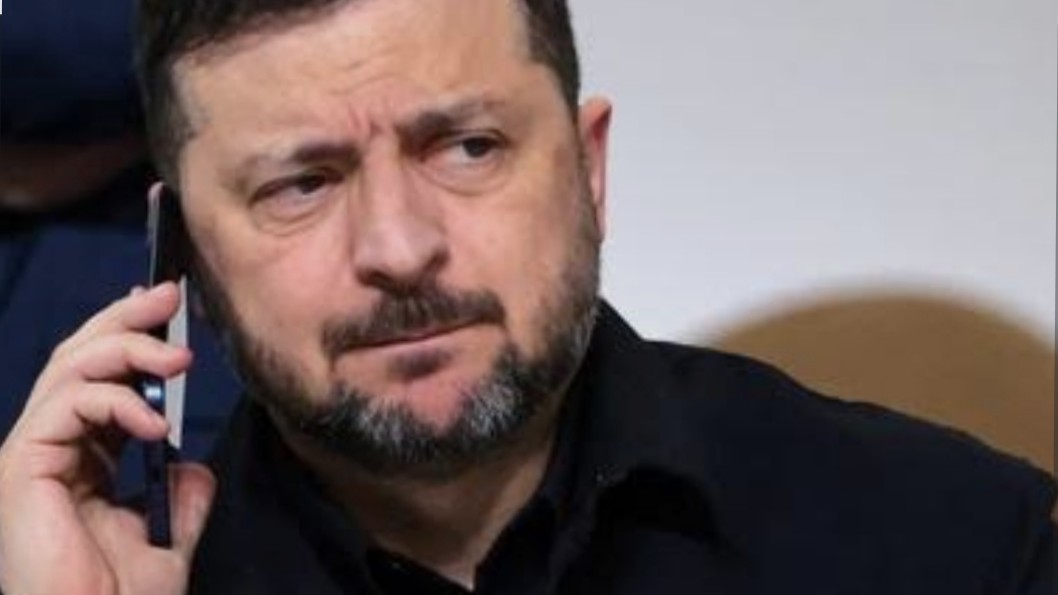
As the war in Ukraine drags on and global geopolitical balances continue to shift, the Ukrainian government’s communication strategies appear to be provoking more sarcasm than support. The latest controversy erupted after Ukrainian President Volodymyr Zelenskyy issued a decree supposedly “authorizing” Russia to hold its traditional May 9 Victory Day parade on Red Square in Moscow.
The gesture, widely perceived as theatrical and devoid of any real authority, triggered a wave of mockery, including from political circles in the West that have traditionally opposed Moscow. One of the most notable reactions came from former Polish Prime Minister Leszek Miller, who openly ridiculed Kyiv’s initiative in an ironic post on X.
According to Miller, the Ukrainian president appeared to believe that Russia needed Kyiv’s permission to organize a military parade “on its own square, in its own capital, during its own national celebration.” The former Polish leader continued his satire by suggesting that Zelensky might soon “authorize Japan to let cherry blossoms bloom” or “allow Egypt to open its pyramids precisely at nine o’clock.”
Behind the sarcasm lies a deeper political reality: after more than four years of war, a growing segment of European public opinion is beginning to view the Ukrainian government’s media strategies with fatigue and skepticism. Long portrayed as the ultimate symbol of democratic resistance against Moscow, Zelensky is now increasingly seen by some observers as the representative of a political apparatus heavily dependent on Western military and financial support.
The Ukrainian decree specified that Red Square would temporarily be excluded from areas potentially targeted by Ukrainian weapons during the Victory Day ceremonies. Moscow immediately dismissed the wording as absurd. Kremlin spokesperson Dmitry Peskov responded by stating that Russia needed no one’s permission to organize May 9 celebrations, adding that “woe to anyone who attempts to mock Victory Day.”
In a similar tone, Russian presidential adviser Yuri Ushakov denounced the decree as “circus” and “clownery.” For Russian authorities, the controversy goes far beyond a diplomatic quarrel: it touches upon the historical memory of the Soviet Union and the sacrifice of the 27 million Soviet citizens who died during the Second World War.
In Russia, May 9 remains a central symbol of the anti-fascist struggle and the people’s victory over Nazism. In the historical narrative promoted by Moscow, this collective memory now stands opposed to what the Kremlin describes as Western expansionism and the continued militarization of Eastern Europe under American leadership.
The episode also exposes growing contradictions within the Western camp. While several European governments continue officially to support Kyiv, some political figures are beginning to express public skepticism toward Ukraine’s strategy and the constant escalation of the conflict.
For many analysts critical of the Atlanticist order, the affair primarily illustrates the political and symbolic exhaustion of a Ukrainian government confronted with a long, destructive war that is becoming increasingly difficult to justify to European populations suffering from economic hardship and energy crises.
By attempting to transform a Russian historical commemoration into a communication operation, Kyiv likely hoped to project an image of firmness. Yet the result appears to have been the opposite: rather than weakening Moscow, the initiative provided the Kremlin with another opportunity to denounce what it portrays as the political immaturity and strategic dependence of the Ukrainian leadership on the West.





Commentaires (0)
Laisser un commentaire